
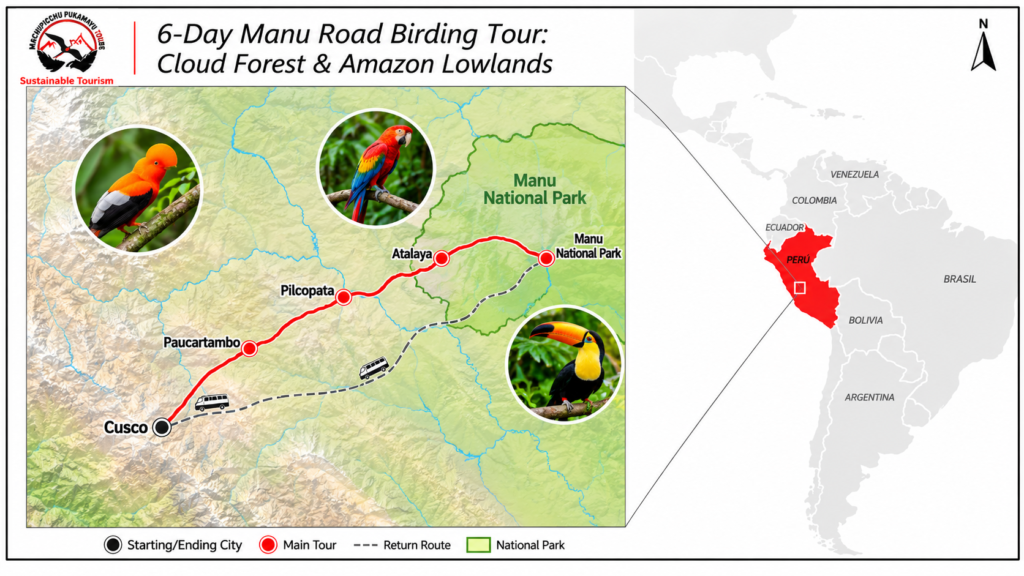
Embark on an extraordinary 6-day overland birdwatching expedition down the world-famous Manu Road. Starting from the historic high-Andean city of Cusco, this tour descends over 3,400 meters (11,150 feet) into the cloud forests and Amazonian lowlands of Manu National Park—one of the most biodiverse regions on Earth. Designed by local Peruvian birding guides, this journey offers high-density birding with the potential to observe up to 500 avian species in less than a week.
Machu Picchu - [Photo credit]
Sacred Valley of the Incas - [Photo credit]
Cusco Main Square - [Photo credit]
From $8600
6 days
Moderate
Moderate
8 + 1 Leader
Lima
Lima
Elevation: 3,400m to 3,500m descent to 2,900m.
Depart Cusco early for Huacarpay Lake, a key high Andean wetland. Target waterfowl including Puna Teal, Cinnamon Teal, Andean Duck, and wetland specialists like Wren-like Rushbird and Many-colored Rush-tyrant. Search the surrounding scrub for endemics like Bearded Mountaineer and Rusty-fronted Canastero.
Cross the Andean ridge at Abra Acjanaco (3,500m), the official gateway into Manu National Park. Begin the descent through misty elfin forest into the upper cloud forest, looking for Hooded Mountain Tanager, Grey-breasted Mountain-Toucan, and Spectacled Redstart. Arrive at ACCA Wayqecha Station for evening nocturnal birding targeting Yungas Pygmy-Owl and Swallow-tailed Nightjar.
Bird the Wayqecha trail system at dawn for high-elevation endemics including Red-and-white Antpitta, Puna Thistletail, and Marcapata Spinetail. Continue along the Manu Road, stopping for Blue-banded Toucanet, Golden-headed Quetzal, and mixed-species tanager flocks.
In the afternoon, arrive at Cock-of-the-Rock Lodge. Visit the nearby lek platform to witness the male Andean Cock-of-the-Rock courtship display. Overnight at Cock-of-the-Rock Lodge
Spend a full day exploring the middle cloud forest layer. Target large mixed feeding flocks that contain over 15 tanager species (including Paradise, Golden, Spotted, Bay-headed, and Orange-eared Tanager).
Search for lower canopy and understory specialists like Amazonian Umbrellabird, Solitary Eagle, Crested Quetzal, and Black-streaked Puffbird. Mammal sightings frequently include Woolly Monkeys and Brown Capuchins. Night birding targets Lyre-tailed Nightjar and Rufescent Screech-Owl.
Explore the lodge gardens for hummingbirds including Violet-fronted Brilliant and Booted Racket-Tail. Descend into the Kosñipata Valley to target transition-zone endemics like Black-backed Tody-Flycatcher, Cerulean-capped Manakin, and Peruvian Piedtail.
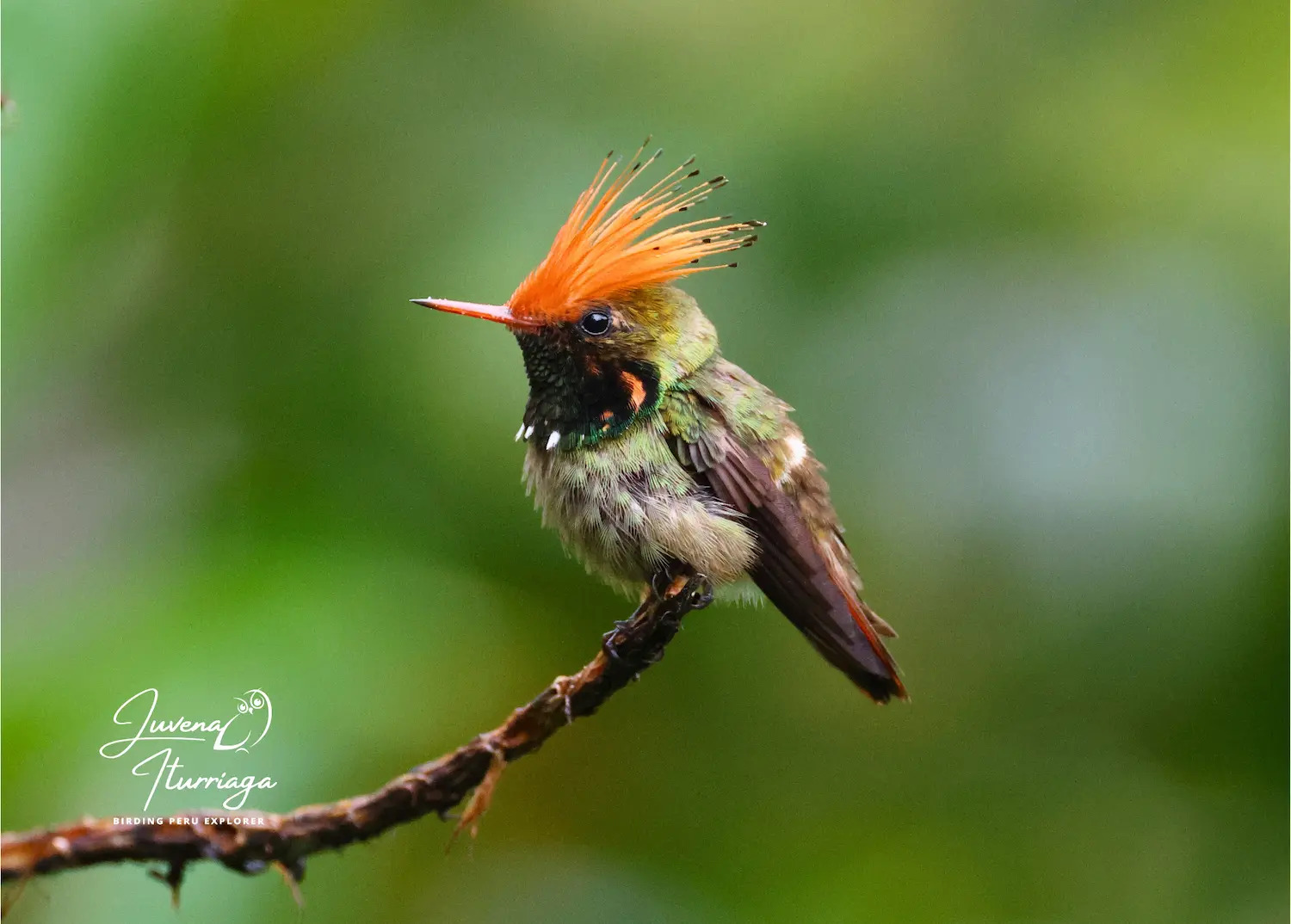
Arrive at Villa Carmen Biolodge in the Amazon lowlands. Spend the afternoon at the lodge’s active hummingbird and fruit feeder stations, observing Rufous-crested Coquette, Gould’s Jewelfront, Lemon-throated Barbet, and Great Potoo. Night birding targets Spectacled Owl and Tawny-bellied Screech-Owl.
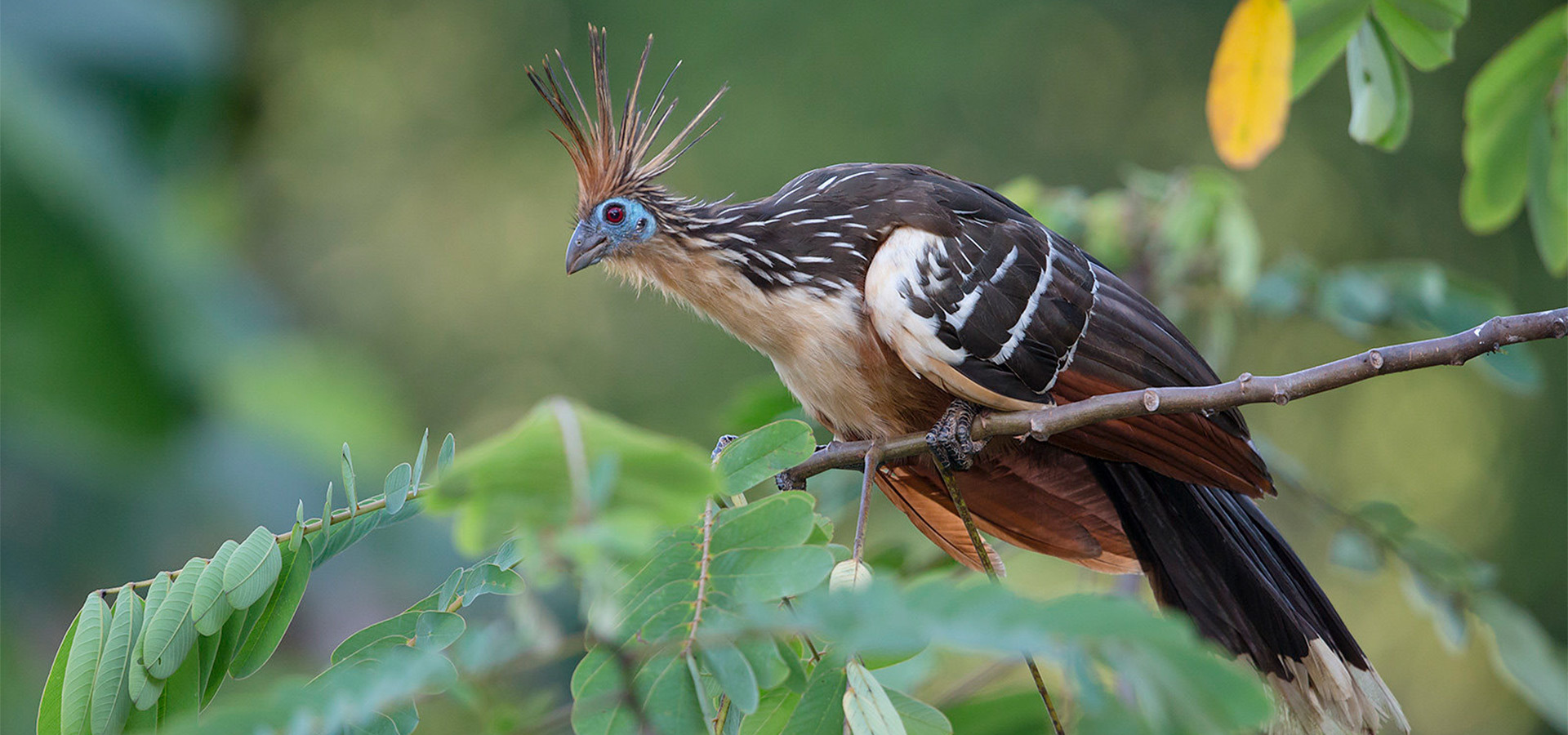
Spend the morning targeting bamboo-habitat specialists along the Villa Carmen trail system. Search for Rufous-headed Woodpecker, Manu Antbird, Goeldi’s Antbird, Bamboo Antshrike, and Peruvian Recurvebill. In the afternoon, navigate Machuwasi Oxbow Lake on wooden rafts. Observe Hoatzin, Blackish Rail, Horned Screamer, and Rufous-sided Crake, alongside Red Howler and Squirrel Monkeys
Conduct a final morning birding session around the lodge trails to target any remaining species on your trip checklist. Begin the scenic return journey back up the Manu Road to Cusco, making strategic birding stops along the way. Arrive in Cusco in the late afternoon.
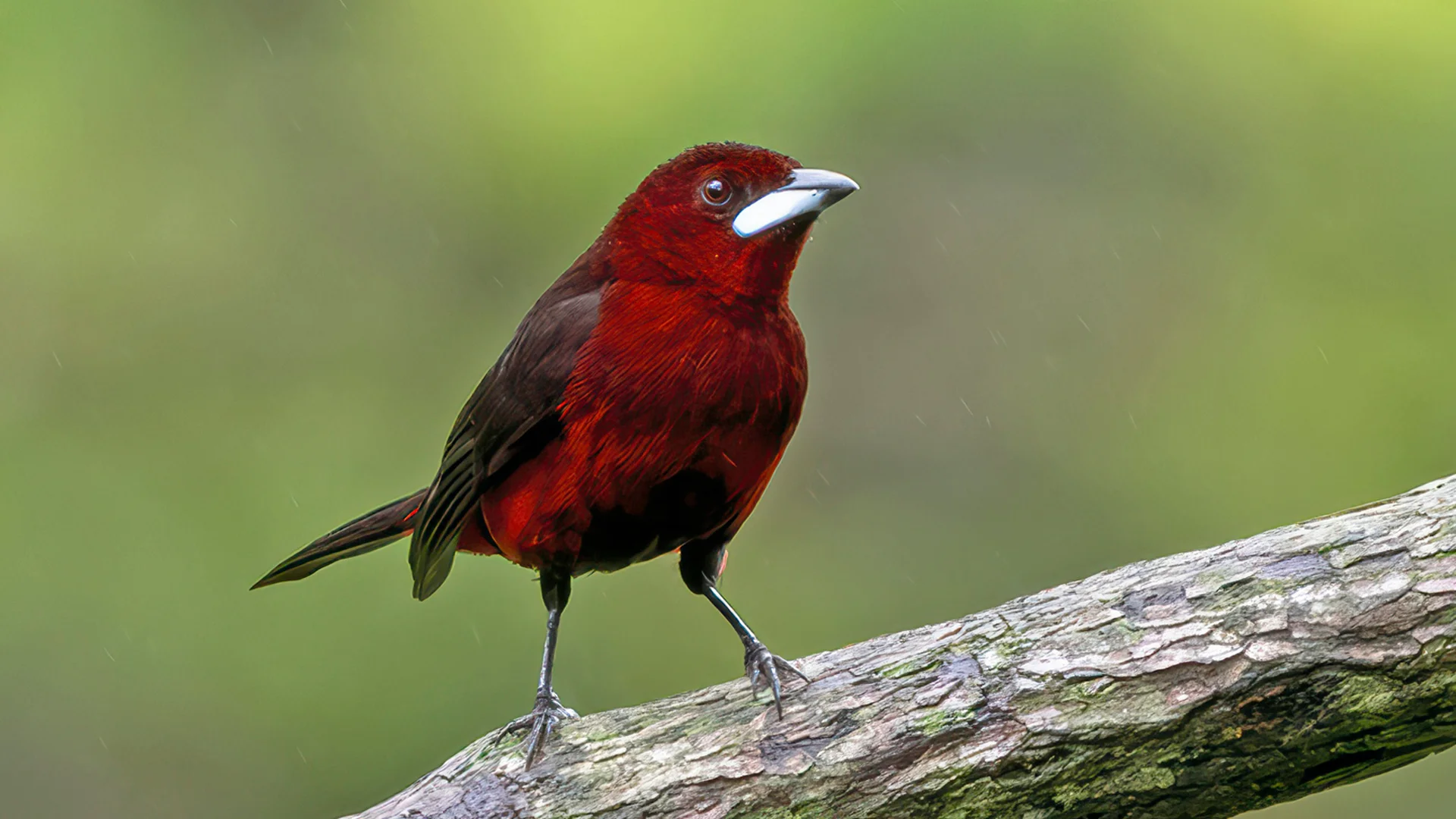
We’ll enjoy some easy birding around Huembo Lodge in the morning, targeting the endemic Speckle-chested Piculet, the Marañon race of Speckle-breasted Wren, the local Buff-bellied Tanager and more widespread species such as Southern Emerald-Toucanet, Rufous-winged Tyrannulet, and Silvery Tanager. We’ll then drive east through the Andes, making roadside stops based on bird activity, and arrive at Waqanki Lodge near Moyobamba in the afternoon. We should have some time to check out their feeders for some late afternoon hummer activity. Some species that visit their feeders include Rufous-crested Coquette, White-chinned and Golden-tailed Sapphires, Sapphire-spangled Emerald, Black-throated Hermit, Long-billed Starthroat, and Gray-breasted Sabrewing. We have two nights at this great lodge located right next to the forest.
An amazing variety of birds inhabit this area due to a variety of habitats. Lush cloudforest blankets the mountain slopes, and a good trail will give us a chance to see some great birds like Black-bellied Tanager and Paradise Tanagers, Black-and-white Tody-Flycatcher, Fiery-capped and Painted Manakins, Bluish-fronted Jacamar, Mishana Tyrannulet, White-bellied Pygmy-Tyrant, Peruvian Warbling-Antbird, Blackish, Spot-backed, and Spot-winged Antbirds, Golden-collared Toucanet, Gilded Barbet, and many, many more. We’ll also spend time birding the dry scrub around Moyobamba where quite different birds can be seen such as Cinereous-breasted Spinetail, Stripe-necked Tody-Tyrant, Pearly-vented Tody-Tyrant, Rusty-backed Antwren, and Burnished-buff Tanager. Rice fields have some neat birds like Oriole and Pale-eyed Blackbirds, Black-billed Seed-Finch, and Spotted Rail. We’ll also be sure to visit a bridge about 30 minutes away where Oilbirds roost during the day. At night, Band-bellied Owl can often be seen near the lodge clearing.
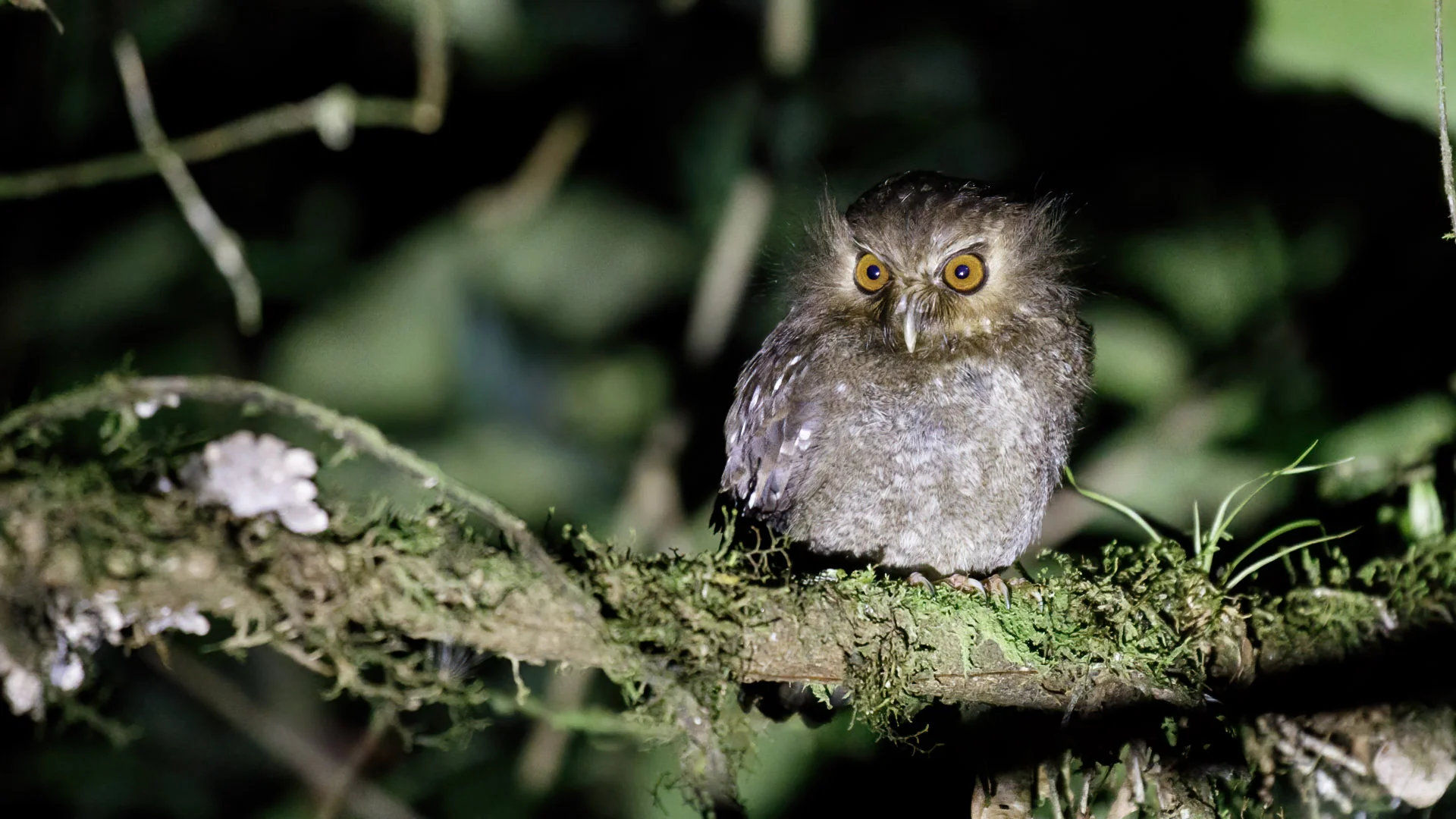
After another morning of birding in the Moyobamba area, we’ll drive back west to Owlet Lodge in Abra Patricia, named after the Long-whiskered Owlet, a bird that was almost never seen outside of a mistnet until this lodge was built in 2008. We’ll spend some time at the hummer feeders, which usually have Long-tailed Sylph, Emerald-bellied Puffleg, Speckled Hummingbird, Peruvian Racket-tail, Fawn-breasted Brilliant, along with some species we would have seen at Huembo. Depending on the weather, we may make a first attempt at trying to see the owlet. We will spend four nights in this well-located lodge.
This area has unique elfin ridgetop forests that support numerous rare and extremely localized species, some of which were only described to science in the last 30 years. We’ve got a good chance to find Bar-winged Wood-Wren, Royal Sunangel, Johnson’s Tody-Tyrant, and Cinnamon-breasted Tody-Tyrant, and will make a serious effort to see three difficult endemic antpittas, Rusty-tinged Antpitta, Chestnut Antpitta, and Ochre-fronted Antpitta, some of which come to worm feeders. Other interesting birds here include Yellow-scarfed, Yellow-throated, White-capped Tanagers, Silvery, and Blue-browed Tanagers, White-faced Numbird, Inca Flycatcher, Chestnut-crested Cotinga, Rufous-vented Tapaculo, and Variable Antshrike. Along with the owlet, nightbirding near the lodge might turn up White-throated Screech-Owl and Rufous-banded Owl. During one of our full days here, we’ll leave early and drive down into the foothills to a private reserve called Arena Blanca. A blind offers the chance to see Cinereous Tinamou, Little Tinamou, and Rufous-breasted Wood-Quail as they come in to eat corn at dawn. It’s a good spot to look for Zimmer’s Antbird, and the hummer feeders sometimes attract some different species like Blue-fronted Lancebill and Black-throated Brilliant. On our way back to the lodge, we’ll bird roadsides in the foothills hoping for mixed flocks that can be truly superb with dozens of species. A few birds we might see include Spotted, Green-and-gold, Paradise, and Orange-eared Tanagers, Bronze-green Euphonia, Chestnut-tipped Toucanet, Lanceolated Monklet, Ecuadorian Tyrannulet, Marble-faced Bristle-Trant, Plumbeous-crowned Tyrannulet, Gray-mantled Wren, Montane Foliage-gleaner, and Olive-backed Woodcreeper.
We’ll leave again in the dark and drive about an hour to the start of a difficult trail where we hope to see Pale-billed Antpitta, Russet-mantled Softtail, Unstreaked Tit-Tyrant, Red-hooded Tanager, and a distinct subspecies of Plain-tailed Wren. This hike is done at the tour leader’s discretion, and it is sometimes skipped due to weather or logistical reasons. We’ll then drive through the scenic Utcubamba canyon, where we’ll look for Marañon Thrush, Speckle-chested Piculet, and Black-necked Woodpecker before arriving at the bustling town of Leymebamba, where we spend two nights in an excellent new lodge with hummer feeders. Koepcke’s Screech-Owl can sometimes be seen near the hotel after dark.
We’ll start in patches of temperate forest that can be superb early in the morning with great birds like Gray-breasted Mountain-Toucan, Barred Fruiteater, and Yungas Pygmy-Owl; feeding flocks can be loads of fun with various tanagers, hemispinguses, flycatchers, warblers, and more. We’ll then drive up to the grassy paramo and scrub near the rim of the canyon, where we’ll look for the endemic Coppery Metaltail, then try for páramo species such as White-chinned Thistletail, Many-striped Canastero, and Neblina Tapaculo. After lunch back at the lodge, we’ll do some easy birding along a dirt road near Leymebamba for more cloudforest species, with a chance for the likes of Golden-headed Quetzal, Rainbow Starfrontlet, White-collared Jay, Rufous-capped Antshrike, and more.
A long but spectacular day as we traverse the Marañon Canyon along one of the most amazing roads in the world. We’ll target anything we may have missed near the east rim, then head down into the desert scrub at the bottom, home to Marañon endemics like Yellow-faced Parrotlet, Peruvian Pigeon, and Buff-bridled Inca-Finch. Later we drive up over the western rim, stopping at stakeouts for two more endemics: Gray-winged Inca-Finch and Chestnut-backed Thornbill. We’ll spend a single night in a hotel in the small town of Celendín.
This road passes through a mixture of farmland and montane scrub, yet can be surprisingly productive. Cajamarca Antpitta, Rufous-webbed Bush-Tyrant, Black-crested Tit-Tyrant, Rusty-crowned Tit-Spinetail, Tit-like Dacnis, Peruvian Sierra-Finch, Streak-throated Canastero, Rufous-eared Brushfinch, Shining Sunbeam, White-browed Chat-Tyrant, and Golden-billed Saltator are just some of the birds we’ll be trying to see along here. We’ll spend the last night of the tour in Cajamarca, the ancient city where the Spanish conquistador Francisco Pizarro defeated a force of 80,000 Inca warriors and captured their emperor Atahualpa with a band of only 200 well-armed soldiers. In the afternoon, we’ll search for Gray-bellied Comet at a well-known site not far from the city, where we should also find White-winged Cinclodes.
In the morning, we drive east of Cajamarca into arid intermontane valleys to search for another rare endemic, the Great Spinetail. We should also find Spot-throated Hummingbird if we haven’t seen it yet as well as a few other species that might include White-winged Black Tyrant, Giant Hummingbird, and Black-lored Yellowthroat. If we find the spinetail quickly, we may be able to visit a highland lake to look for Puna Teal, Plumbeous Rail, and a few other species. We’ll check out of the hotel and have a long lunch to celebrate the end of a great tour, before heading to the airport and catching a flight to Lima, which should arrive in time to connect with some late evening international departures. Should you require an extra night in Lima, we would be happy to help arrange it.
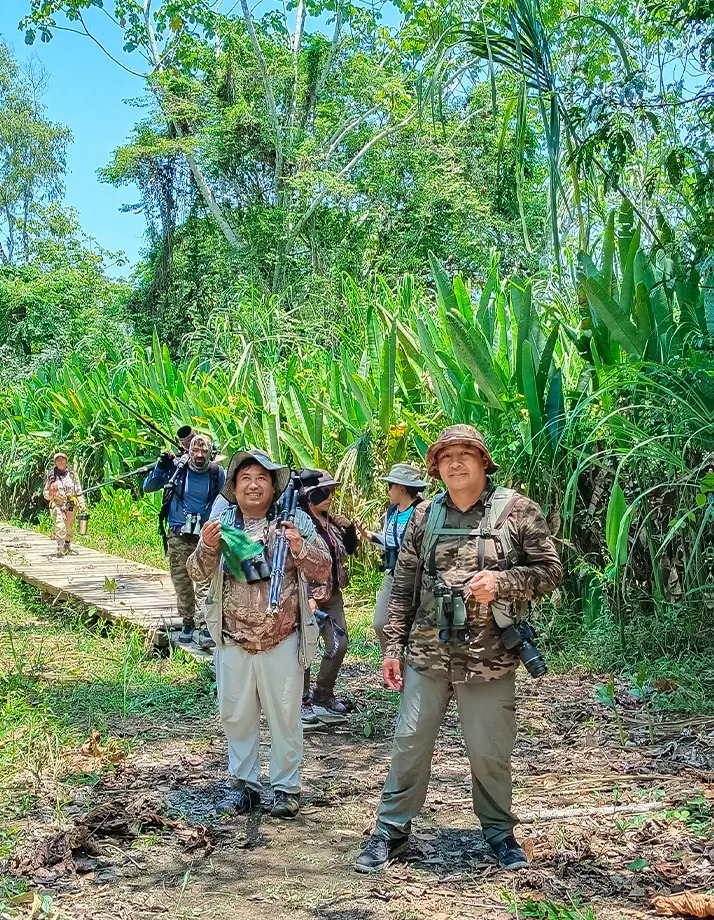
PACE: Moderate to intense. This tour covers a lot of ground and tries to see as many birds as possible, with special focus on the regional endemics; we usually amass a great list. It’s important to be out early since birding is usually best in the morning, and start times range from 4:30am to 6:00am. Many breakfasts and lunches will be in the field, but we’ll have thermoses for hot beverages and portable tables and chairs. On three or four days of the trip there will be some downtime after lunch to relax, but most days will be quite full. On several days, we will stay out after dark to spotlight for birds; some participants choose to skip the occasional afternoon or nocturnal outing and just relax around the lodge. There are several long drives, the longest being about 5 hours. Almost all of the tour takes place in the Andes, and the roads are very windy. If you are susceptible to motion sickness, it is essential to bring anti-motion sickness medication such as Meclizine.
PHYSICAL DIFFICULTY: Generally moderate, but there are a few more difficult walks that may be considered optional. Most of the birding is done from flat or slightly inclined roads and trails, and you can expect to walk around 4 miles (6.4 km) on most days. At Waqanki and Abra Patricia, the trails are steep in places and sometimes slippery, so a walking stick helps. Trying to see the Long-whiskered Owlet requires a c. 3 mile (4.8 km) roundtrip walk at night on a moderately inclined trail; this is an optional hike and some participants skip it and relax at the lodge. On day 13, there may be a difficult hike on a steep and rocky trail that’s about 2 miles (3.2 km) roundtrip and lasts about 4 hours; some participants may choose to skip this and do some easy birding on their own near the vehicle. This hike is done at the tour leader’s discretion and is skipped on some tours due to weather or logistical reasons.
CLIMATE: Highly variable. A wide range of temperatures can be expected. Temperatures in the high elevations can get down to near freezing early in the morning, but then usually warm up to be quite pleasant (about 70°F/21°C) and usually sunny. In the lower elevations, temperatures usually vary from about 68°-90°F (20°-32°C). This tour takes place in the dry season, but it is not unusual to get some rain at Waqanki and Abra Patricia.
ACCOMMODATION: Apart from the nights in Lima and Cajamarca, where we stay in 4* hotels, the accommodation is quite modest. Most nights are spent in simple but clean ecolodges, with a few nights in unexceptional hotels in towns. All have hot water and electricity. Note that electricity is quite limited at Chaparri Lodge (2 nights), but it is enough to light the rooms, and there is a charging station in the dining area, but there are no outlets in the rooms – keep that in mind especially if you travel with a CPAP or similar device. At Owlet Lodge, every two rooms share a bathroom. Depending on lodge occupancy, you may be able to have a private bathroom, but it is not guaranteed. Other hotels and lodges all have private bathrooms. Wi-fi is usually available everywhere except Huembo Lodge (cell service is available at Huembo), though it is usually very slow and often only available in public areas of the lodge/hotel.
PHOTOGRAPHY: This is a birding tour, but casual photographers will have good chances to photograph birds at feeders at several of the lodges. Bird photography inside the forest is much more challenging, and hardcore bird photographers will likely be frustrated by the rather fast pace of the tour. We’ll also make some short stops for scenery photos, especially in the spectacular Marañon Canyon.
To ensure transparency, please note the following are not included in your Manu birding tour package:
Our tours are 100% Private. This ensures you have the guide’s undivided attention, the best positioning at the lek, and the flexibility to stop for photography whenever you choose.
Note: For groups larger than 6, please contact us directly for a custom quote and a dedicated co-guide to ensure the highest quality birding experience.
Want to learn more? Fill this form and we’ll be in touch.
¡No se ha encontrado ningún número de WhatsApp!
WhatsApp us
Please fill out the form below and our travel expert will get back to you shortly.
We respect your privacy and will not share your information.